

South Luangwa National Park
Zambia
Big Lagoon Camp
About
A Closer Look at Your Stay
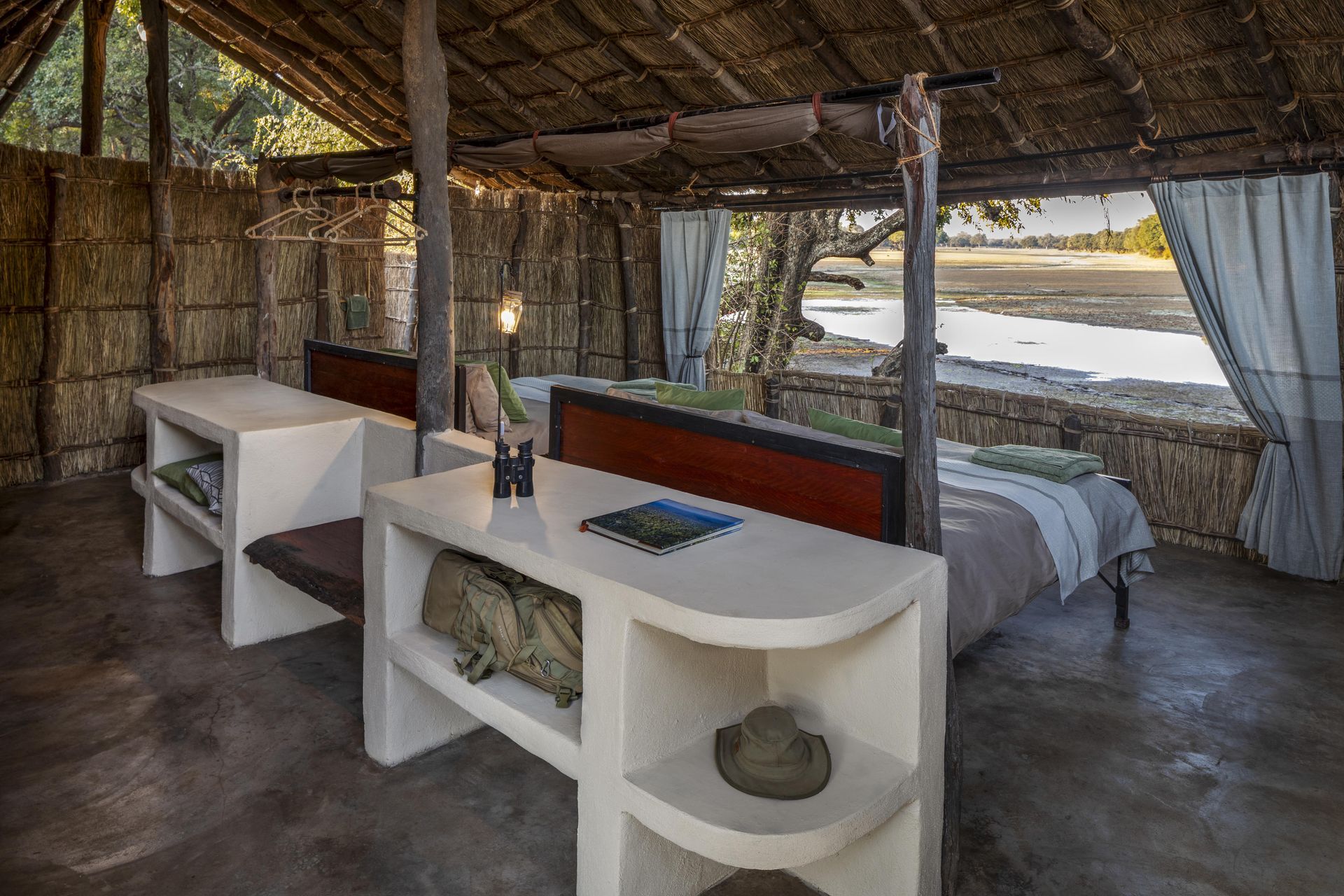
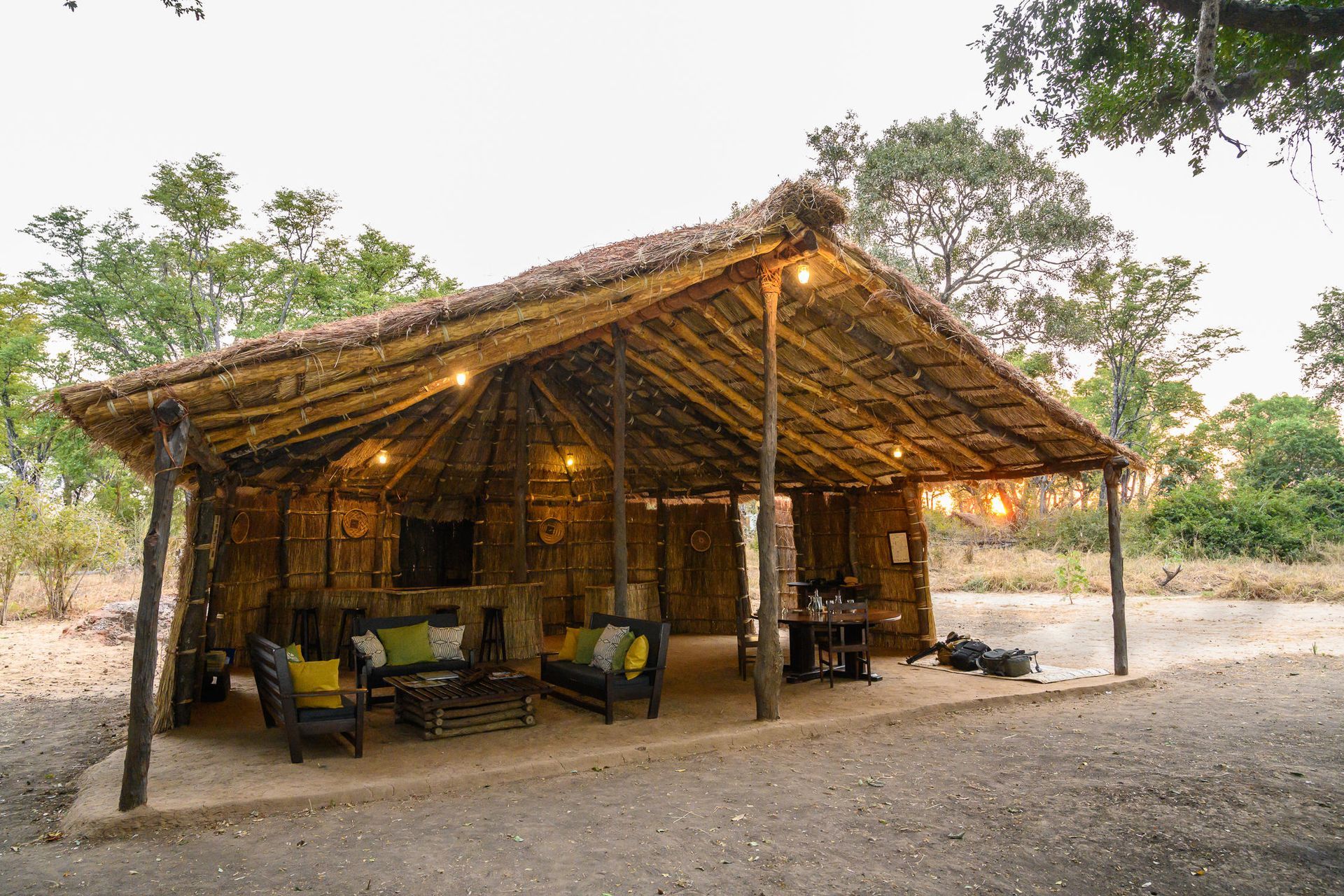
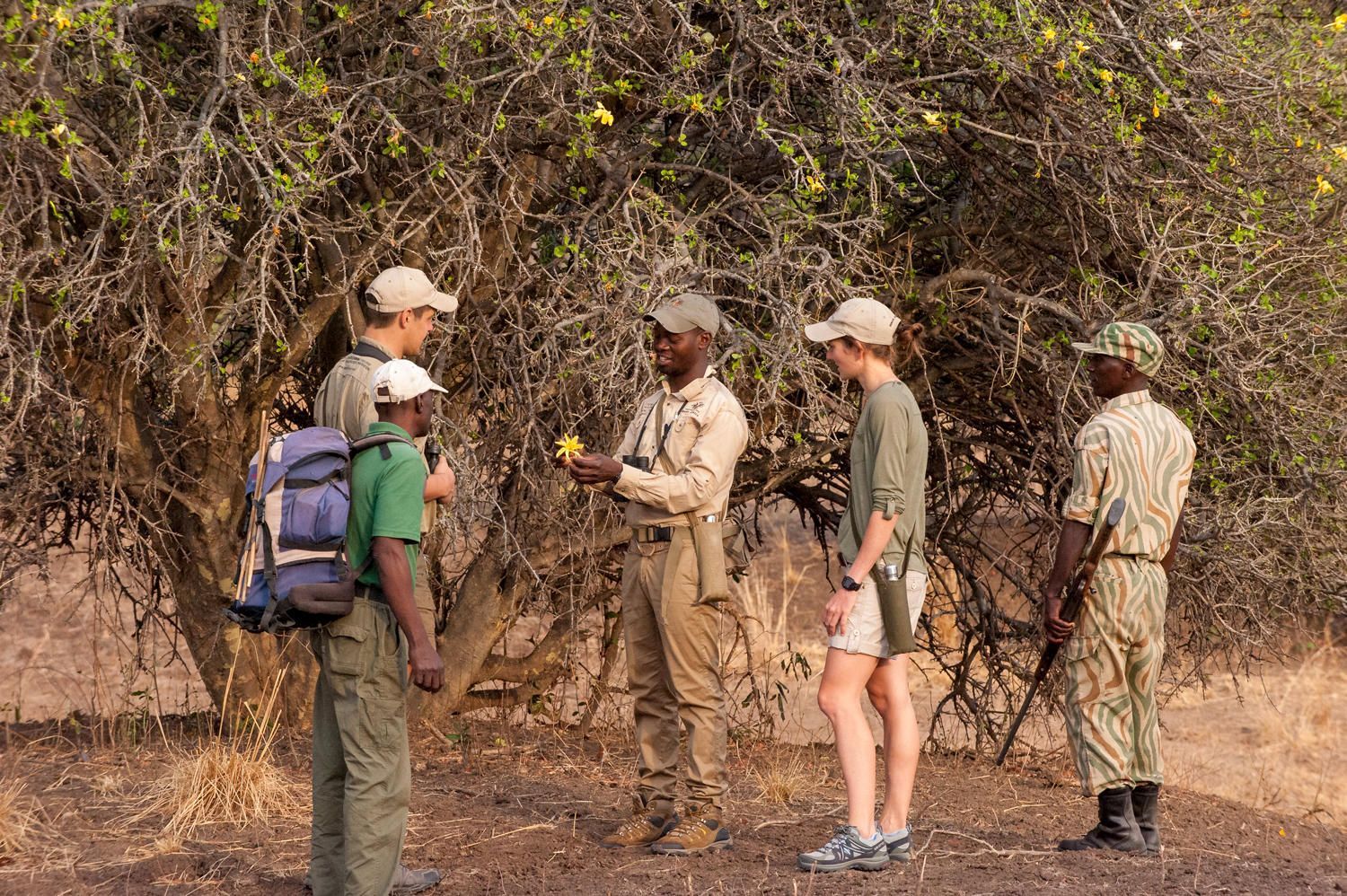
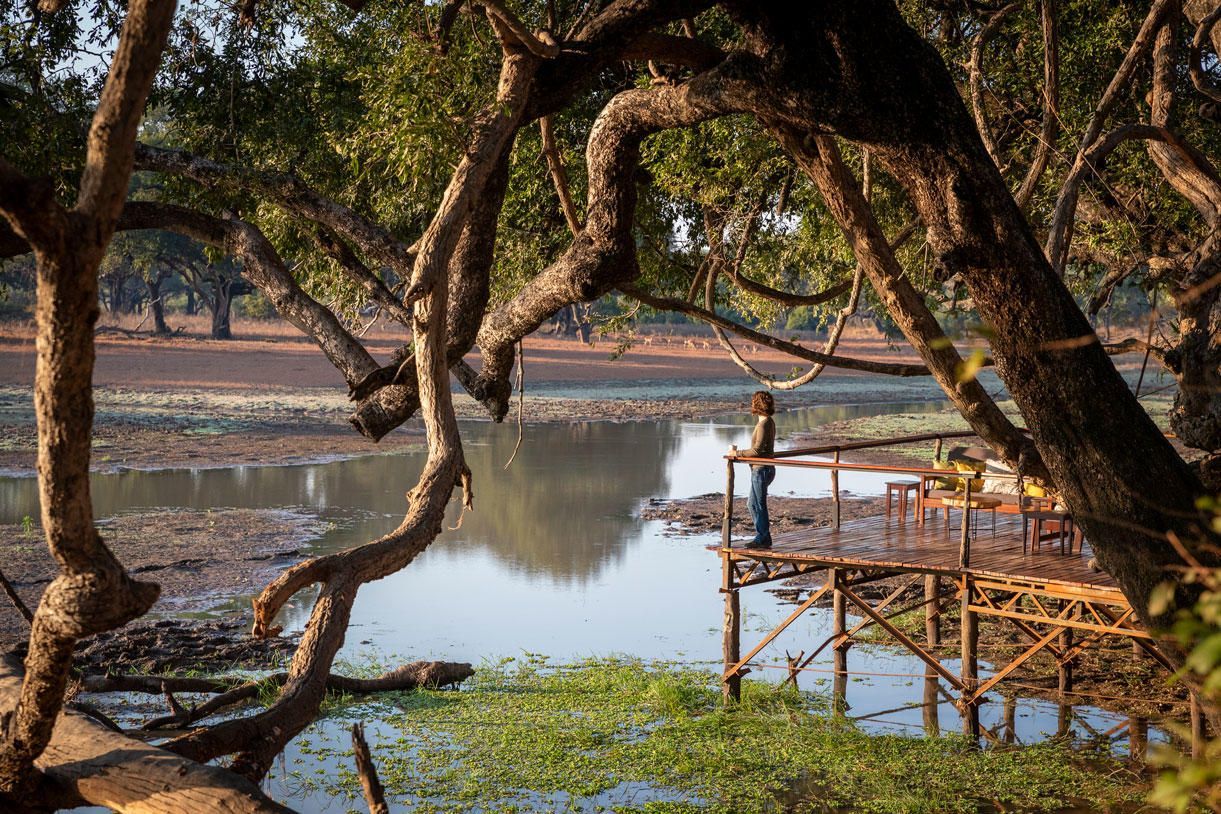
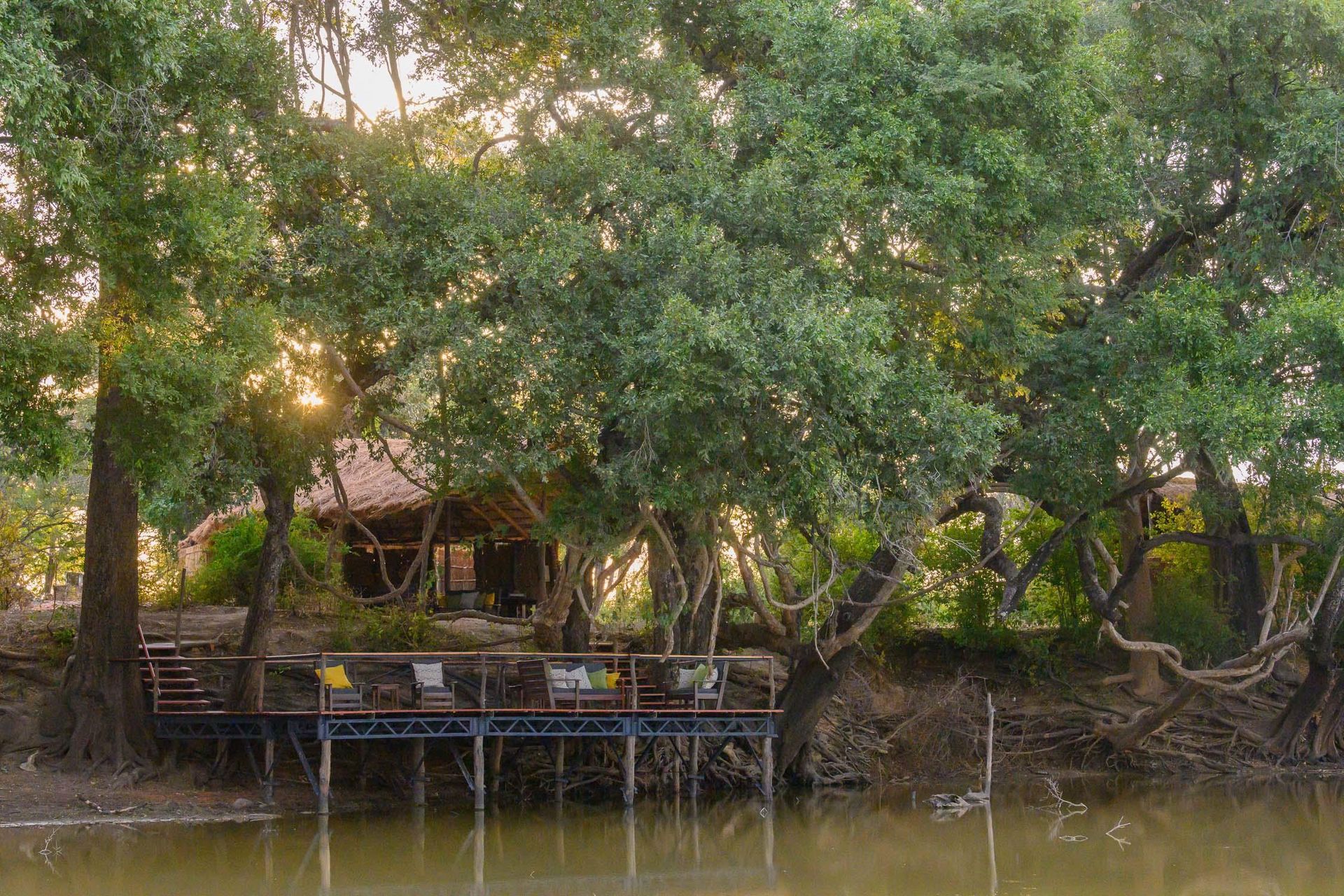
Big Lagoon – Trails Camp, previously known as Crocodile River Camp, was relocated in 2022 to the historic Big Lagoon site. It is nestled on the west bank of the South Luangwa National Park, a few kilometers upstream from its parent camp, Tafika. This exclusive bush camp, accessible only on foot, offers unparalleled walking safaris, allowing guests to immerse themselves in the pristine wilderness of remotest Africa. The camp operates from May 25th to October 31st each year. It is one of two small and exclusive bush camps that form Tafika's Walking Trails Camps, the other being Chikoko Tree Camp. Big Lagoon provides a unique opportunity to connect with nature on a deeper level, where the minutiae of the bush come alive, and a sense of timelessness prevails. Guests follow well-worn elephant and hippo trails, and even the original footsteps of David Livingstone, accompanied by an experienced guide, an armed National Park scout, and a tea bearer, ensuring both safety and an enriching experience. The walks are designed to offer intimate encounters with wildlife, emphasizing the realness of the experience and the thrill of standing downwind of an elephant. Big Lagoon boasts three chalets, including twin double and one king-sized accommodation, each refreshingly simple with grass walls, en-suite flush toilets, and showers. These chalets are set beneath a grove of spectacular Muchenja (Ebony) trees, overlooking a vast lagoon, perfect for observing the daily drama of wildlife. The camp's thoughtful design combines natural building materials with imaginative architecture, creating a comfortable and personal experience for a maximum of six guests. It is suggested that guests spend two to three nights at each camp to fully embrace the Remote Africa Safaris walking safari adventure. Big Lagoon – Trails Camp is part of Remote Africa Safaris, which is dedicated to sustainable tourism and conservation efforts through initiatives like The Tafika Fund, Conservation South Luangwa, Zambian Carnivore Programme, and North Luangwa Conservation Programme. The camp also offers unique bush cuisine, specialist birding, and convenient transfers via RASair, Remote Africa's in-house Cessna 210, for a truly comprehensive safari experience.
Highlights
- Walking safaris in a remote, vehicle-free area.
- Intimate camp with only 3 chalets, accommodating a maximum of 6 guests.
- Overlooks a large lagoon, providing excellent in-camp wildlife viewing.
- Located on a historic site within an ebony forest.
- Emphasis on sustainable tourism and conservation efforts.
Why stay here
- Unparalleled and pure walking safaris, allowing for deep immersion in the African bush and intimate wildlife encounters.
- Accessible only on foot, ensuring a truly remote and untarnished wilderness experience.
- Small and exclusive camp for a highly personalized safari.
- Unique bush cuisine cooked over a wood fire, featuring fresh produce from the Tafika vegetable garden.
- Opportunity to learn natural fire-making skills and track wildlife with experienced guides.
Facilities
- 3 exclusive chalets (2 twin double, 1 king) with grass walls.
- En-suite flush toilets and showers with hot water.
- Communal solar charging area (220V).
- Solar fans.
- Hammocks for relaxation.
- Dining area overlooking the lagoon.
- Open-air safari showers.
- No Wi-Fi.
- Daily morning and afternoon walking safaris.
- Tea bearer on walks providing refreshments.
- Canoe river crossings to access trails.
- Bush cuisine, including meals cooked over a wood fire and fresh produce.
About
Why Rwanda?
Rwanda is the polished, accessible gateway to mountain gorilla trekking — Volcanoes National Park sits a short, scenic drive from Kigali and delivers one of the most profound wildlife encounters on the planet.
Extend into Akagera for Big Five game viewing on rolling savannah, or Nyungwe for chimps and canopy walks in ancient rainforest.
Highlights
- Gorilla trekking in Volcanoes NP
- Akagera National Park
- Nyungwe Forest
- Kigali
Best time to travel
June to September and December to February — drier months for trekking
Testimonials


5.0
100+reviews
Great organising and lots of fun.
We went to Okovango Delta on honeymoon and it was perfect. Definitely recommend!
Jason R
Bucket list honeymoon
Start planning
Let us craft your African journey
Tell us where you dream of going. We'll shape an itinerary that feels uniquely yours.